
White-label event photography for agencies: briefs, rights and client etiquette
How event, PR and experiential agencies can work with a white-label photographer: subcontract terms, rights that flow to your client, communication rules and invoicing.
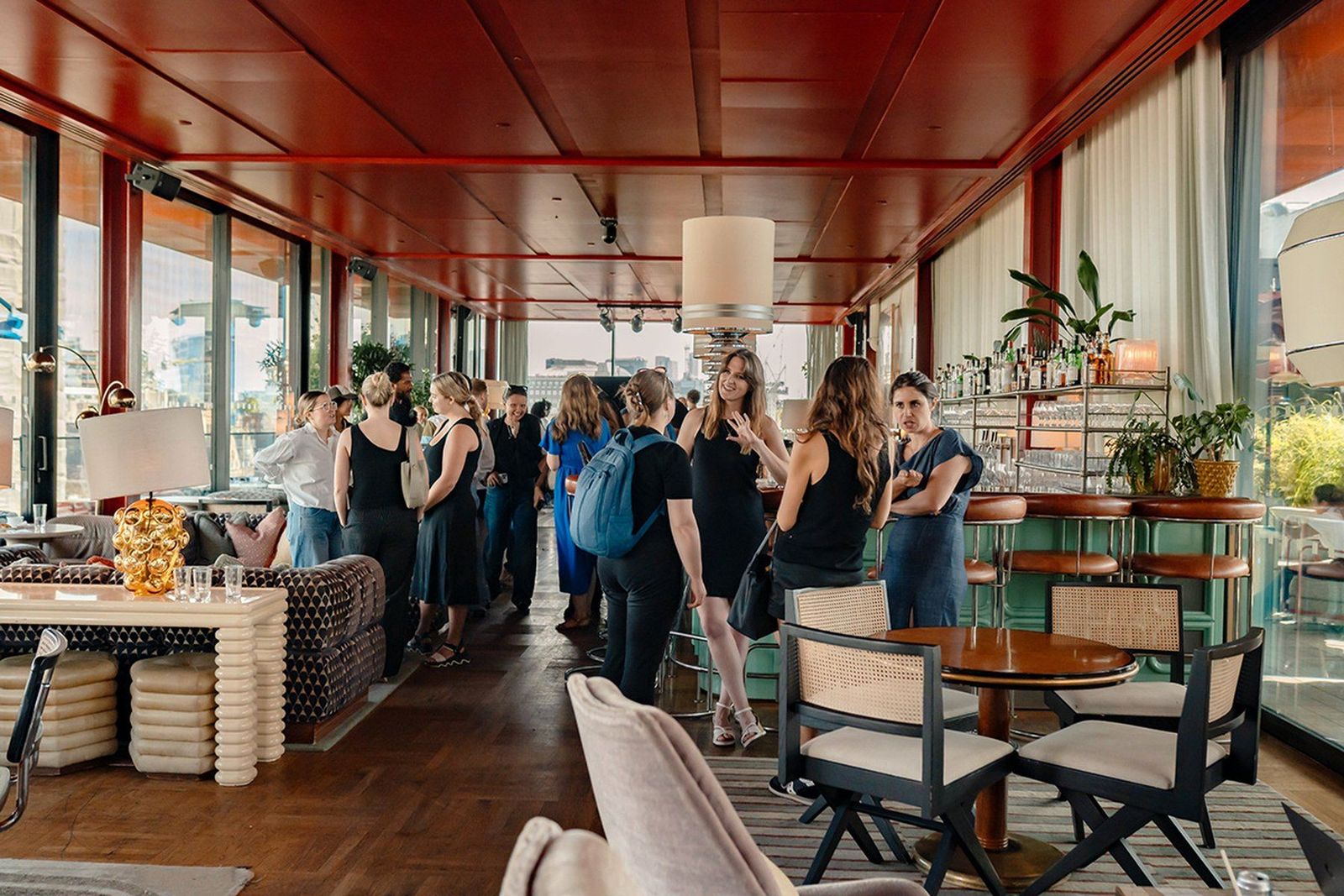
Short answer: a white-label photographer works as part of your agency team: briefed by your producer, communicating only through you, delivering to you, invoicing you. The arrangement works when four things are agreed in writing first: the brief and point of contact, how rights flow to your client, confidentiality and portfolio rules, and invoicing and payment terms.
Why agencies use white-label photographers
- the client expects one supplier, not five
- the agency controls the brief, quality and relationship
- the agency can scale crew for large or multi-day events without hiring
Before the job: what to agree
| Area | What to agree |
|---|---|
| Point of contact | The photographer reports to your producer, not the client |
| Brief | Your shot list, brand rules and deliverables, in writing |
| Identity on site | Introduced as part of your team; no own-brand clothing or cards |
| Rights | A licence to the agency with the right to sublicense to the client, or an assignment if required |
| Confidentiality | NDA, embargoes, no social posts |
| Portfolio | Not allowed, or only with the agency's permission |
| Non-solicitation | The photographer won't approach your client directly for work |
| Delivery | To the agency's account or folder, to your deadline |
| Invoicing | To the agency, with your PO and payment terms |
Rights: make sure they flow through
Your client contract probably promises the client certain rights in the photos. Your agreement with the photographer has to give the agency at least those rights, or you're promising something you don't have.
- If the client needs a broad licence, take a licence from the photographer that allows you to sublicense to the client on the same terms.
- If the client contract requires the client to own the copyright, you need a written, signed assignment from the photographer (a UK requirement under section 90 of the Copyright, Designs and Patents Act 1988), and the agency then assigns on.
Read the client contract before you brief the photographer.
On-site etiquette
- the photographer is introduced as part of the agency team
- questions from the client are directed to your producer
- no own-brand business cards, clothing or social posts
- if the client asks the photographer directly for something, they agree to help and loop in your producer
Briefing for a client event
Give the photographer:
- the client's brand guidelines and any no-go areas
- the run-of-show and a ranked must-have list
- the client contacts they'll meet, and who they are
- the deliverables you've promised the client, with deadlines
Our guide to briefing a photographer for a 3-day expo has a template that works for most agency briefs.
Multi-photographer jobs
For large activations or multi-day events, one lead photographer should brief the others and manage editing, so the client receives a consistent gallery. Agree who that lead is.
Working with us
Party Pixel works white-label for agencies on request: under your brief and branding, with NDAs and embargoes respected, delivering and invoicing to you. Every booking includes full commercial rights, including sharing with your client. See multi-day and exhibition photography and brand activation photography, or get in touch to discuss terms.
Questions people ask
What does white-label photography mean?
The photographer works under your agency's name. They don't promote their own brand to your client, communicate through your producer, and deliver to you. Your client sees one team: yours.
Who owns the images in a white-label arrangement?
In the UK, the photographer owns copyright unless it is assigned in writing. Agencies usually take a broad licence with the right to sublicense to their client, or an assignment if the client contract requires it. Check what your client contract promises first.
Can the photographer use the images in their portfolio?
Only if you agree. White-label agreements often restrict portfolio use, or require the agency's permission, especially for confidential clients.
Who invoices the client?
The agency does. The photographer invoices the agency, and the agency includes photography in its own invoice to the client.
Get a quote built around your agenda.
Single sessions, full days of 8–12 hours or multi-day shows. Tell us the dates and what you need covered.