
Conference photography shot list, track by track
A practical conference shot list organised by session type, with the angles that matter for keynotes, panels, breakouts, sponsors and networking.
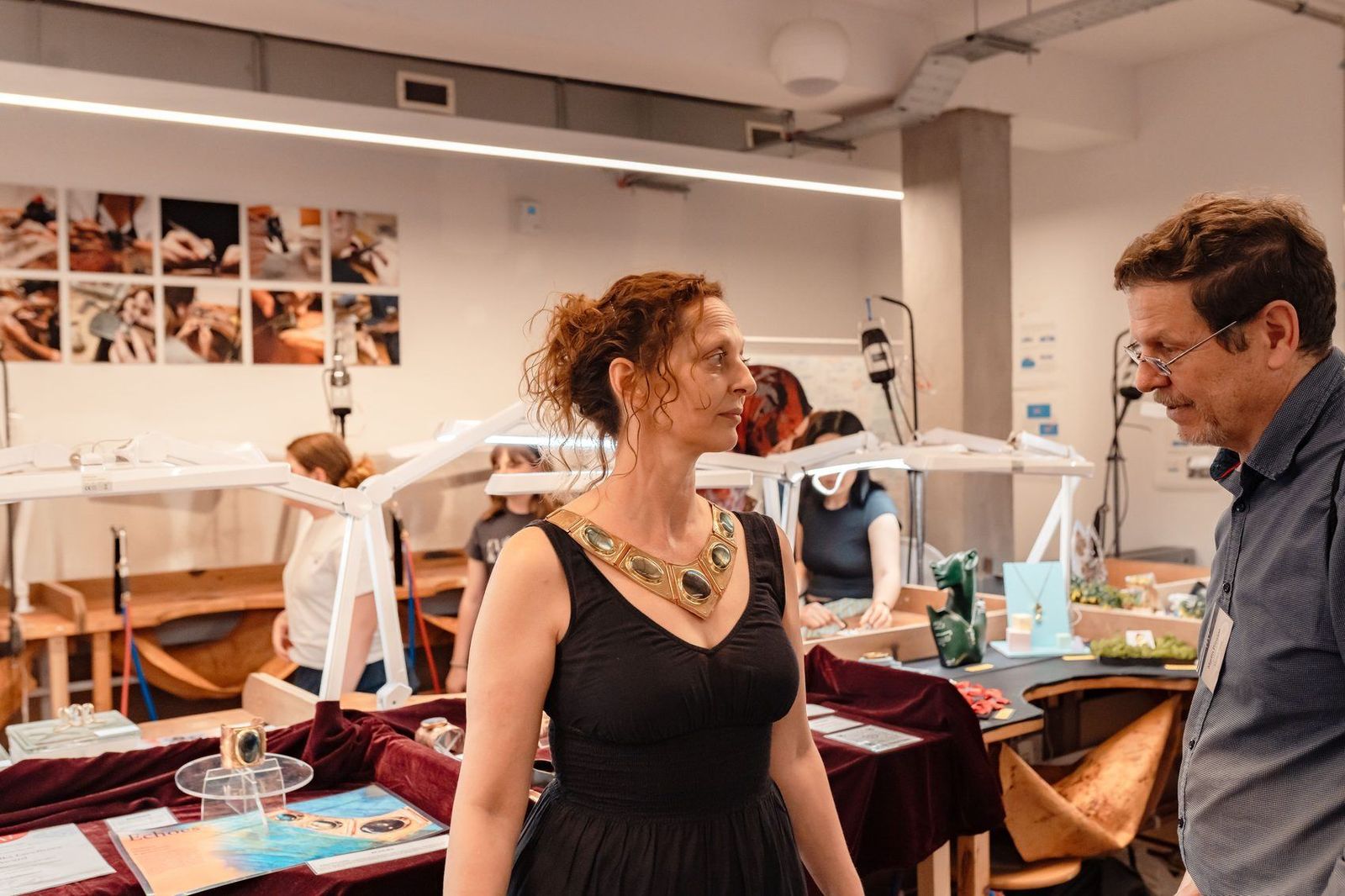
Short answer: a good conference shot list is organised by session type, not by time. Keynotes need wide and tight angles plus audience reaction; panels need every panellist and the moderator; breakouts need proof of engagement; sponsors need their branding in frame; networking needs genuine conversation. Then you map that list onto the agenda.
Before the doors open
- registration desk, signage and lanyards, ready
- the main room set and lit, from the back and from the stage
- branding: stage set, screens, sponsor boards, step-and-repeat
- the organising team together, before it gets busy
These shots are easy to forget and impossible to recreate once delegates arrive.
Keynotes
| Angle | Why you want it |
|---|---|
| Tight portrait of the speaker mid-sentence | Speaker's own use, press, social |
| Speaker with the slide or stage branding | Context: who, where, what event |
| Wide from the back showing the full room | Scale, for sponsors and next year's sales |
| Audience reaction from the front edge | Engagement, the shot most galleries miss |
| Speaker walking on, and the applause | Energy and atmosphere |
Ask the AV team when house lights change and where the camera positions for any filming are, so the photographer doesn't block the video.
Panels
- every panellist individually, speaking
- the moderator, speaking and listening
- the whole panel together, with branding
- one or two shots of panellists reacting to each other
- audience questions: the microphone runner and the person asking
Panels are where photographers most often miss someone. Send the panel line-up with names in seating order.
Breakouts and workshops
- the room working: people writing, discussing, collaborating
- the facilitator with the group
- close-ups of materials, screens or products being used
Breakout rooms are often small and dark, so a quick flash setup and a few minutes per room is more productive than standing at the back.
Parallel tracks
If tracks run at the same time, one photographer can't be in two rooms. Choose:
- One photographer, priority list: cover the main stage, then rotate through breakouts for 10–15 minutes each.
- One photographer per track: for agendas where every session matters equally, such as sponsor-funded tracks.
Sponsors and exhibitors
- sponsor speakers on stage, with logo visible
- sponsored areas: lounge, coffee bar, charging station
- exhibition stands at busy moments
- sponsor representatives with delegates
Sponsors are often contractually promised photographs. Find out what was promised before the day, not after.
Networking and breaks
- small groups in genuine conversation
- laughter, handshakes and business cards exchanged
- the coffee queue and lunch, briefly
- the evening drinks, where people relax
Avoid over-shooting food and empty tables. One or two shots is enough.
Portraits and headshots
If you want headshots of speakers or delegates, set up a separate headshot point with its own photographer and time slots. Trying to do headshots between sessions with the event photographer pulls them away from the programme.
Privacy
Delegates should be told in advance that photography is taking place, usually in the registration confirmation, and on signs at the venue. Offer a simple opt-out, such as a lanyard colour, and brief the photographer on it. See photographing attendees and UK GDPR.
A simple agenda mapping
Take your agenda and add one column: "Photography priority" (must, should, nice to have). That single column will do more for your gallery than any number of reference images.
How much coverage to book
| Programme | Typical coverage |
|---|---|
| Breakfast briefing | 1–2 hours |
| Half-day conference | 4–6 hours |
| Full day, registration to drinks | 8–12 hours |
| Two or more days | Planned day by day |
Our conference photography page shows the packages, and full days and multi-day conferences are quoted to your agenda.
Questions people ask
How many hours of photography does a conference need?
A half-day or short single-track programme usually fits within 4–6 hours. A full conference day from registration to the evening drinks typically runs 8–12 hours. If sessions run in parallel, you need a photographer per track for the times you want covered.
What's the most commonly missed conference shot?
Audience reaction. Most galleries are full of speakers and empty of the people listening. Shots of a packed, engaged room are what sell next year's tickets and sponsorship.
Should the photographer use flash during talks?
Usually not during the talk itself. Stage lighting is normally enough with fast lenses, and flash distracts speakers and the audience. Flash is useful for networking, portraits and dark breakout rooms.
Can speakers get their photos quickly?
Yes, if it's planned. Agree a small set of speaker selects for the same evening or next morning, and give the photographer the speaker list with session times.
Get a quote built around your agenda.
Single sessions, full days of 8–12 hours or multi-day shows. Tell us the dates and what you need covered.