
Photographing attendees and UK GDPR: consent, opt-outs and lanyards
How UK GDPR applies to event photography, why legitimate interests is usually the lawful basis rather than consent, and how to run opt-outs that actually work.
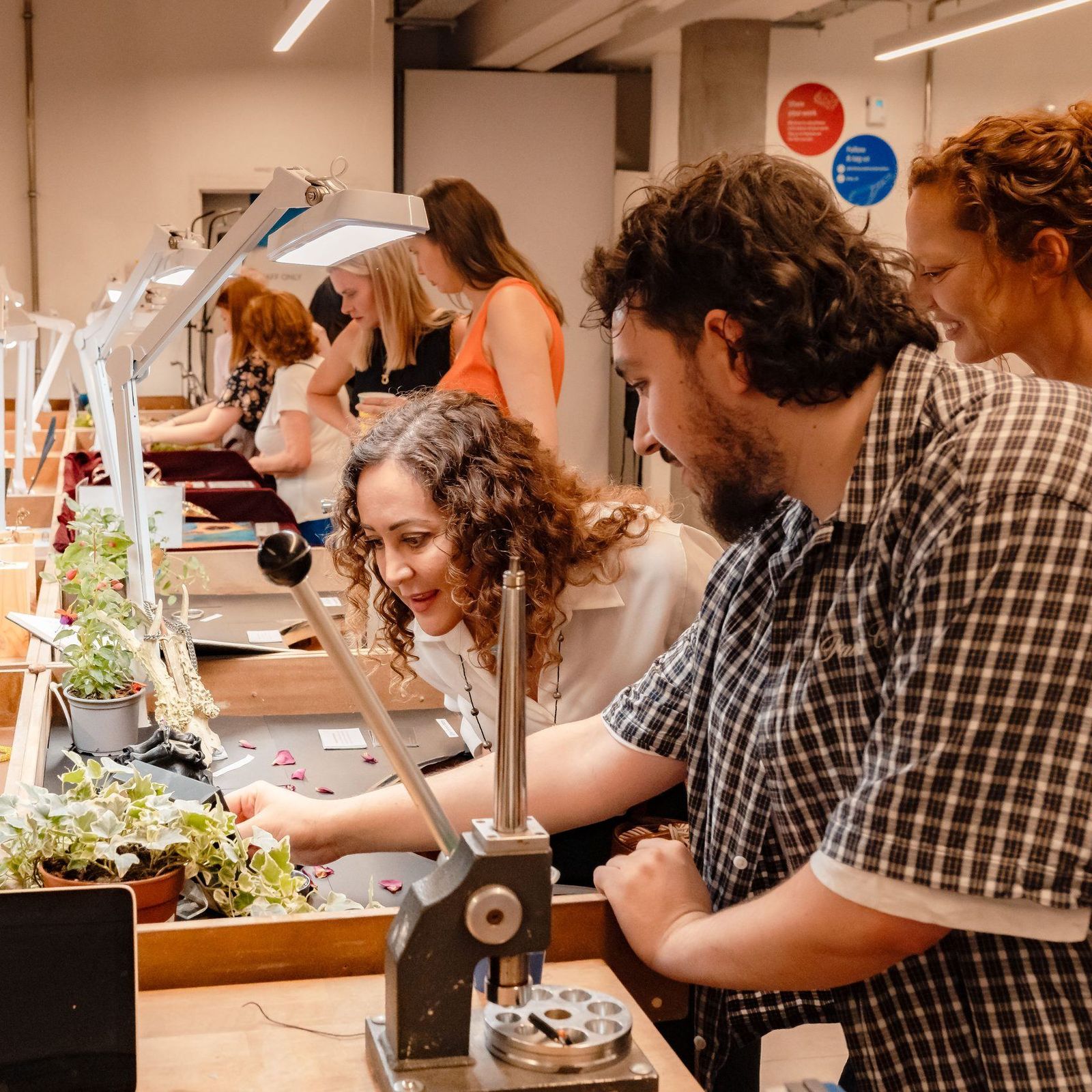
Short answer: a photo of an identifiable person is personal data, so UK GDPR applies. Most event organisers rely on legitimate interests rather than consent, which means doing a short written assessment, telling attendees clearly in advance, giving them an easy way to opt out, and acting on objections. Consent is the better choice for some uses, such as putting an identifiable individual in a paid advert.
This article summarises the Information Commissioner's Office (ICO) guidance for typical business events. It isn't legal advice.
Why consent is often the wrong tool
Under UK GDPR, consent has to be freely given, specific, informed and as easy to withdraw as to give. At a 500-person conference that's hard to manage: you'd need a record of who agreed, and if someone withdraws, you'd need to find and stop using every image of them.
That's why many organisers use legitimate interests: documenting and promoting your own event is a reasonable interest, provided it isn't outweighed by the attendees' rights and expectations. The ICO describes legitimate interests as the most flexible basis, but says you take on extra responsibility for weighing up people's interests.
The legitimate interests assessment, in plain terms
The ICO suggests a three-part test. For event photography it usually looks like this:
| Test | Question | Typical answer for a business event |
|---|---|---|
| Purpose | Why are we taking photos? | To document the event, promote future events, and supply sponsors and speakers |
| Necessity | Do we need photos of people to do that? | Yes: an event without people in it doesn't show the event |
| Balancing | Would attendees reasonably expect this, and could it harm them? | Business delegates generally expect photography at a professional event, provided they're told and can opt out |
Write it down. It's a short document, and it's what you'd show if anyone asked how you reached your decision.
Tell people before they arrive, and again on the day
The right to be informed means attendees should know about photography before it happens. Layer the message:
- Registration page and confirmation email: "Photography and filming will take place. Images may be used on our website, social media and in future marketing. If you'd prefer not to be photographed, [how to opt out]." Link to your privacy notice.
- Signs at the entrance and in main rooms: short, readable from a distance.
- The host's welcome: one sentence is enough.
Opt-outs that actually work
An opt-out only works if the photographer can see it from across a room.
- Coloured lanyards are the most common method: for example, a red lanyard means "please don't photograph me". Make sure the colour isn't used for anything else, such as staff or VIPs.
- Stickers on badges work too, but they're harder to spot from a distance.
- Photo-free zones help people who want to network without worrying about it.
Then brief the photographer: what the opt-out signal looks like, and what to do if someone with an opt-out ends up in a group shot (don't use it, or crop them out).
What counts as "identifiable"
- a wide crowd shot where no faces can be made out: unlikely to be personal data
- a delegate clearly visible in conversation: personal data
- a speaker on stage: personal data, but a speaker usually has a clear expectation of being photographed
Most event galleries contain all three, so plan for the identifiable ones.
Higher-risk situations
Be more careful, and consider consent or specific advice, when:
- children attend the event
- the event relates to health, religion, sexuality, trade union membership or politics, where attendance itself could reveal sensitive information
- you plan to use a recognisable individual prominently in paid advertising
- the setting is private, such as a staff party where people have a reasonable expectation of informality
After the event
- If someone asks for an image to be removed, remove it from your channels and your gallery, and tell your photographer.
- Keep the gallery access-controlled if it contains images you haven't reviewed.
- Decide how long you'll keep unpublished images, and include it in your retention policy.
What your photographer should do
A professional event photographer should:
- ask about your opt-out method before the event
- shoot conversations respectfully, and step back when someone signals they'd rather not
- remove images on request
- keep galleries private by default
These are part of our written standards. If you're planning an event and want to check your photography notice, send it with your enquiry and we'll make sure our coverage matches it.
Questions people ask
Do we need consent to photograph people at a corporate event?
Not necessarily. Consent is one of six lawful bases under UK GDPR. For event photography, many organisations rely on legitimate interests instead, provided they assess it properly, tell attendees in advance and respect objections. Consent may be more appropriate for some uses, such as featuring an identifiable individual in advertising.
Are crowd shots personal data?
Only if individuals can be identified. A wide shot where faces can't be made out is unlikely to be personal data; a clear close-up of a delegate is. Most event galleries contain both.
What should a photography notice say?
That photography and filming will take place, what the images will be used for, who to contact, and how to opt out. Put it in the registration confirmation and on signs at the entrance and in key rooms, and link to your privacy notice.
What if someone asks for a photo to be removed after the event?
Treat it as an objection or erasure request. Remove the image from your channels and galleries where you can, and tell your photographer so it is excluded from future use.
Is this legal advice?
No. This article explains the ICO's published guidance as it applies to typical events. For unusual situations, such as events involving children or sensitive settings, take advice from your data protection officer or a solicitor.
Get a quote built around your agenda.
Single sessions, full days of 8–12 hours or multi-day shows. Tell us the dates and what you need covered.