
Exhibitor stand photography: the shot list and the evidence it should give you
What to photograph on your exhibition stand, when to photograph it, and how to turn the images into evidence for your post-show report.
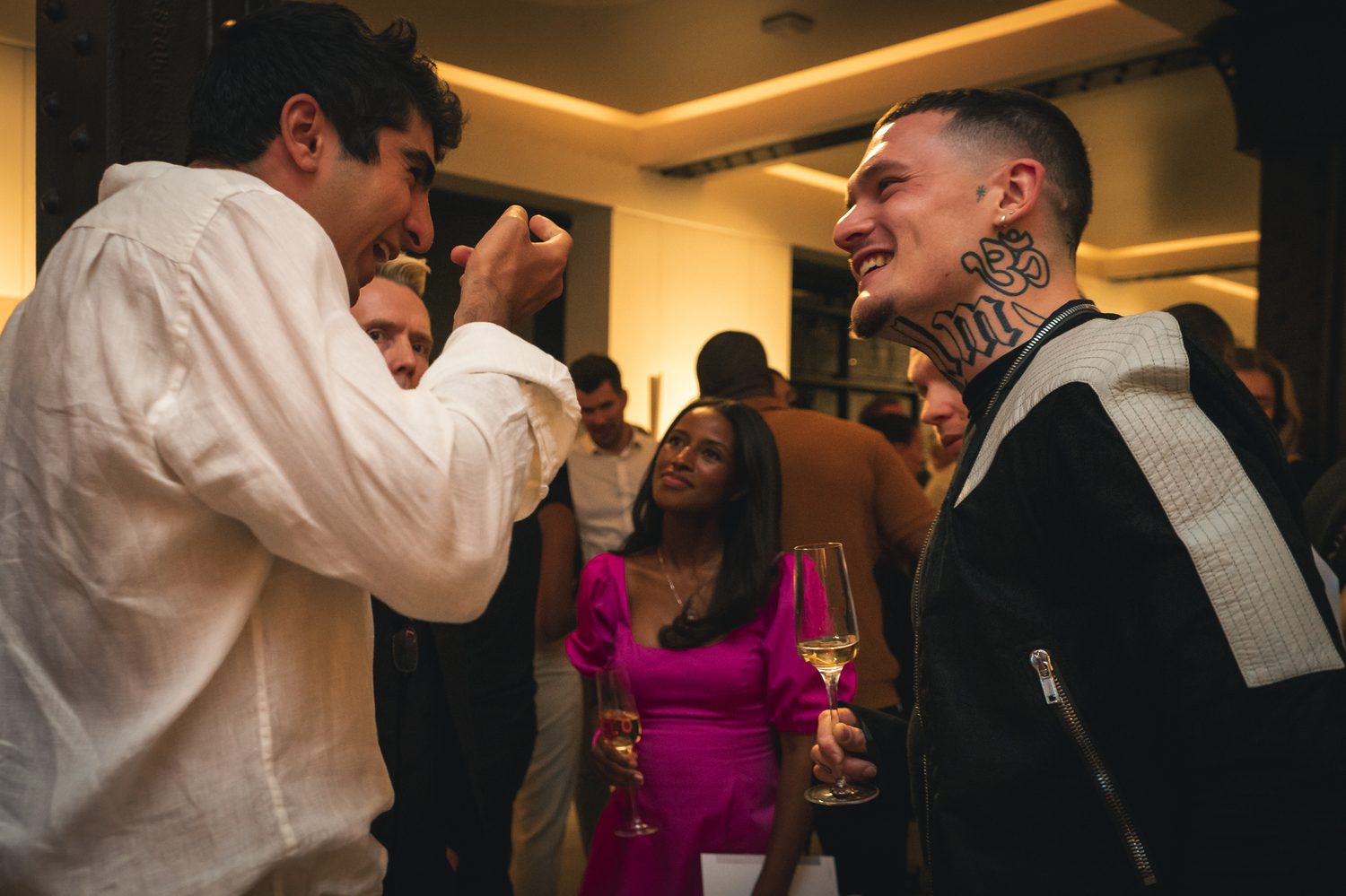
Short answer: shoot the stand twice, empty and busy, and plan every other shot around the questions your post-show report has to answer: did people come, did they engage, did the team have useful conversations, and did the stand look the way the design promised?
Exhibitors spend a large part of their event budget on space, build and staff, then come home with a handful of phone photos taken at 4pm on the last day, when the stand looks tired and the aisles are quiet. A short, deliberate shot list gives you far more useful material for the same day.
Start from the report, not the stand
Before writing a shot list, list the questions your stakeholders will ask afterwards. Typically:
| Question from the business | Photo evidence that answers it |
|---|---|
| Did the stand look right? | Clean build shots before doors open, branding legible |
| Did people visit? | Wide shots at peak times showing the stand busy |
| Did they engage? | Demos, product handling, screens in use, queues |
| Did we have real conversations? | Meetings, team members with visitors, handshakes |
| Who did we meet? | Agreed portraits with key customers or partners |
| Was the investment visible? | Speaking slots, sponsored areas, awards |
Photos are evidence of activity. They don't prove return on investment by themselves, so pair them with the numbers you already track: leads scanned, meetings booked and pipeline.
The shot list
Before doors open
- the full stand, straight on and from both aisle approaches
- branding, graphics and screens, legible
- product displays and demo stations, set and lit
- the team together, while everyone still looks fresh
At peak footfall
Peak times vary by show, but late morning and early afternoon are usually busiest. Ask the organiser or look at the agenda: footfall often drops during big keynote sessions.
- wide shots that show visitors on and around the stand
- demos in progress, from the visitor's side
- conversations: two or three people, natural, not posed
- queues or crowds at any feature or giveaway
Through the day
- meetings in the stand's meeting area (ask permission first)
- portraits of key customers or partners, agreed in advance
- your speakers on stage, if you have a slot
- details: samples, literature, the coffee bar, whatever visitors remember
Timing beats volume
A photographer who spends one well-planned hour on your stand will usually produce better material than one who drifts past six times. If your organiser offers a stand photography service, ask what time slot you'll get and request it at peak footfall.
If you book your own photographer, check the organiser's rules first: some shows require photographers to be registered or to hold a specific pass.
People and privacy
Visitors who can be identified in photos are personal data under UK GDPR. In practice that means:
- tell people photography is taking place: a small sign on the stand helps
- photograph conversations from angles that respect the moment
- ask before photographing meetings
- remove images on request
We cover this in detail in photographing attendees and UK GDPR.
Getting images out during the show
The most valuable stand photos are often the ones posted on day one with "come and see us at stand B42". If that matters to you, agree a small set of same-day selects in advance. See daily selects and same-day delivery.
After the show
Organise the delivered gallery into folders that match how the images will be used: report, social, sales enablement, and next year's stand design review. The last one is underrated: photos of how visitors actually moved through the space are the best brief you'll ever give your stand designer.
If you need a photographer for your stand
We photograph stands as part of multi-day exhibition coverage for organisers, and directly for exhibitors. Send your show, stand number and preferred time slot and we'll quote within 24 hours.
Questions people ask
When is the best time to photograph an exhibition stand?
Twice: before the doors open, for clean shots of the build and branding, and again at peak footfall, usually late morning and early afternoon, for proof that people visited and engaged.
Can photos prove exhibition ROI?
Not on their own. Photos are evidence of activity, such as footfall, demos and meetings, and they work best alongside the numbers you already track: leads scanned, meetings booked and pipeline created.
Do we need permission to photograph visitors on our stand?
Identifiable people are personal data under UK GDPR. Visitors should be told that photography is taking place, and you should respect anyone who asks not to be photographed. Check the organiser's photography policy as well.
How many photos does an exhibitor actually need?
Fewer than you think. A strong set of 40–80 edited images covering the stand, the team, demos, meetings and visitors is usually enough for a report, a LinkedIn series and next year's planning.
Get a quote built around your agenda.
Single sessions, full days of 8–12 hours or multi-day shows. Tell us the dates and what you need covered.